Strava App
UX Research & Usability Evaluation
Strava is a feature-rich fitness tracking app used by millions worldwide. In this project, we evaluated how effectively the app enables users to reach their goals, focusing on performance insights, route planning, training, and social features.
Methods
Cognitive Walkthrough Usability Testing Interviews
Role
UX Researcher
Challenge Strava offers a wide range of features and detailed performance data, but this complexity raises usability challenges, especially for users with different experience levels. The main challenge was to evaluate whether users can: • Understand and interpret their performance data • Plan and manage routes efficiently • Start and track activities without friction • Use social features without feeling overwhelmed or stressed Research Question: How well does the Strava app enable users to achieve their goals within the app?
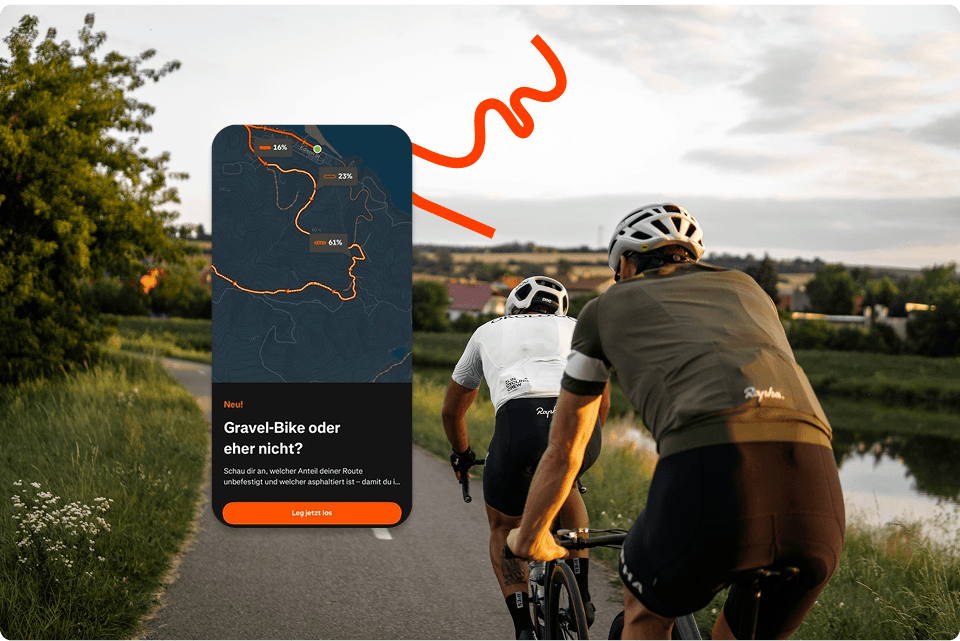
This project focused on evaluating the usability of the Strava app through moderated remote usability tests and interviews. Building on insights from a cognitive walkthrough, we tested key user flows related to performance analysis, route planning, training, and social interaction to identify usability issues and improvement opportunities.
We conducted moderated remote usability tests with six active Strava users of varying experience levels, sports backgrounds, and wearable devices. The study focused on four core areas: performance analytics, route planning, training and tracking, and social features. Key findings • Performance & analytics: Users struggled to find and understand relevant insights. Too many similar metrics, inconsistent time intervals, and missing explanations caused confusion and mental overload. • Route planning: This feature was rarely used. Many users switched to alternative apps due to high friction, lack of guidance, and poor usability on mobile. • Training & tracking: Starting and recording activities is Strava’s core use case, but technical issues reduced reliability and user trust. • Social features: Social functionality strongly polarised users, motivating some, while creating stress and comparison pressure for others. Based on these insights, we identified UX improvement opportunities such as clearer prioritisation of information, stronger focus on personal progress, simplified route planning, improved technical reliability, and optional social features.